

Greetings HeroClix Masterminds!
Sometimes we see a set debut a new mechanic that fundamentally changes the way we build our teams and approach gameplay. World’s Finest introduced Shifting Focus, Justice League Unlimited kicked off Team-Up cards, and now, Fight for Gotham City is bringing us Inherited Technique.
An Introduction to Inherited Technique
At a glance, Inherited Technique is simple.
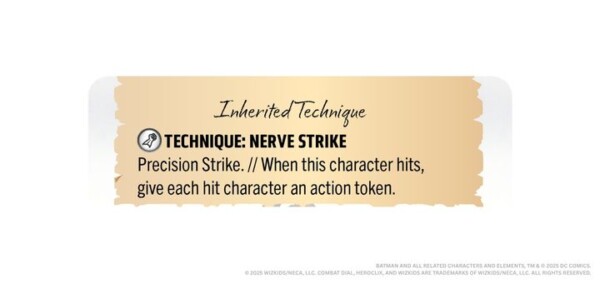
The implications this can have on gameplay are deep. Like Shifting Focus, we can expect to see it explored further in the future. It’s also really cool that it could combo with all of the Martial Artists already in your collection!
From a design standpoint, Inherited Technique does an excellent job of capturing the feeling of the student becoming the master. Characters aren’t simply removed from the game when they’re defeated; instead, their knowledge, training, and combat expertise live on through others. Strategically, this creates a unique challenge for your opponent. Threat assessment becomes far more complicated, as KO’ing a key attacker doesn’t necessarily remove that threat—it may simply transfer it to another, potentially more dangerous character. Taking out your primary attacker with a powerful Technique can suddenly turn your 15-point League of Assassins Initiate into a real problem that your opponent wasn’t prepared to deal with.
Lady Shiva
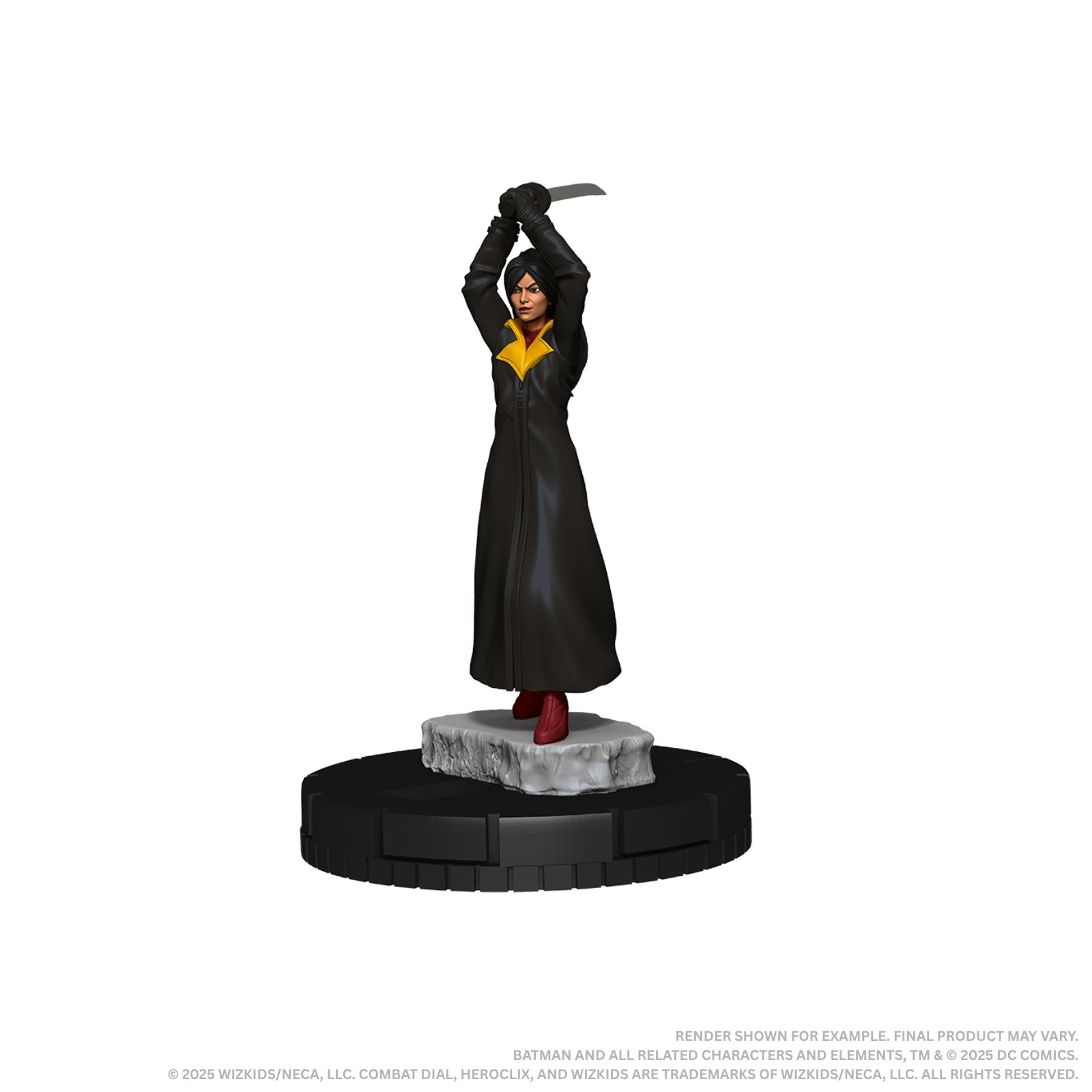


One of the most striking examples of this mechanic in action is Lady Shiva.
The vengeful martial artist brings the Technique Nerve Strike, granting Precision Strike that hands out action tokens to opposing characters. This alone makes her an immediate and disruptive presence on the map, capable of punishing poor positioning and slowing down opposing strategies. Lady Shiva thrives in the thick of combat, and her aggressive playstyle often makes her a prime target for retaliation.
However, Inherited Technique ensures that even when Lady Shiva falls, her influence doesn’t end. Never one to give up, Shiva can pass on her devastating attack special power to another friendly Martial Artist, allowing them to continue the fight and avenge their fallen ally. This transition feels both mechanically powerful and thematically perfect. Lady Shiva’s defeat becomes a turning point rather than a loss, as her techniques empower the next fighter to step forward.
Richard Dragon
On the other end of the spectrum is Richard Dragon, the Kung Fu Master who prefers a more measured, defensive approach to combat. His Technique, Master of All Forms, grants Combat Reflexes and prevents adjacent opposing characters from modifying their combat values. This makes him an excellent control piece, capable of shutting down offensive tricks and forcing opponents to engage on his terms.
Richard Dragon truly drives home the student-and-master dynamic through his special power, Sensei, which allows another Martial Artist to use a Technique that he can use. Unlike Inherited Technique, Sensei isn’t bound by the same restrictions, making it a powerful and flexible tool. Dragon’s damage power allows you to sneak a Technique onto an equipped character, opening up lines of play that opponents may not see coming. In many ways, Richard Dragon acts as the glue that holds a Martial Artist team together, enabling complex Technique-sharing chains that reward thoughtful positioning and timing.



To see how all of this comes together, consider a Martial Artist-themed team featuring Lady Shiva, Richard Dragon, and White Tiger (BP047B) equipped with the God Killer Sword. You open aggressively, throwing Lady Shiva into the fray. She deals meaningful damage and disrupts your opponent’s formation but ultimately falls first to your opponent’s counterattack. Thanks to Inherited Technique, her card is placed on Richard Dragon, granting him access to both Nerve Strike and Master of All Forms.
At the beginning of your turn, Richard Dragon can now use Sensei to let either the equipped White Tiger or her Chi Tiger pog use one of his learned Techniques. Suddenly, White Tiger is swinging with inherited precision while her Chi Tiger prevents adjacent characters from modifying their combat values, all while Dragon continues to anchor the team. What began as the loss of an attacker has instead snowballed into a layered threat that demands immediate attention.
Team Building with Inherited Technique
This kind of snowball effect is exactly what makes Inherited Technique so compelling. Rather than thinking of your Martial Artists as isolated pieces, the mechanic encourages you to build your team as a living system, where each character’s defeat strengthens those that remain. Sequencing matters. Who you expose first, who you protect, and who you intend to carry Techniques into the late game become just as important as raw combat values or point efficiency.
Inherited Technique also forces opponents to rethink traditional lines of play. Target priority becomes a puzzle with no obvious answer—do you remove the immediate threat, knowing its Technique will live on, or do you focus on the characters best positioned to inherit those powers? In many cases, there’s no clean solution, and that uncertainty creates meaningful, interactive gameplay on both sides of the table.
Most importantly, the mechanic rewards intentional team construction. Martial Artist teams that layer complementary Techniques—offense, control, and survivability—will feel cohesive and resilient, while careless builds may struggle to capitalize on the mechanic’s potential. Characters like Lady Shiva and Richard Dragon aren’t just strong individually; they’re foundational pieces that define how the rest of the team functions once the fighting starts.
One of the fundamental challenges of HeroClix is finding the route to a comeback once one of our key pieces has been KO’d. One way to think of Inherited Technique is that you can have a bunch of bonus opportunities to use key special powers or traits, even when a critical character has been KO’d.
This is Just the Beginning
Fight for Gotham City gives us our first real look at Inherited Technique, and it’s an exciting debut! The mechanic blends theme and gameplay in a way that feels fresh without being overwhelming, and it opens the door to future designs that can further explore legacy, mentorship, and mastery in combat. If this is the direction Martial Artist teams are headed, one thing is clear: in Gotham, defeat is rarely the end—it’s just the beginning of the next lesson.